
Introduction
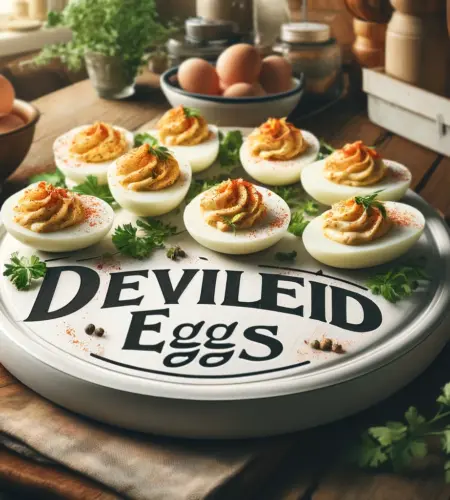
Why are deviled eggs called deviled eggs? Deviled eggs are a popular dish at parties and gatherings. They’re easy to make and always a hit. But why are they called “deviled”? This article will help you understand the history and reasons behind the name.
History of Deviled Eggs
Deviled eggs have been around for centuries. Their origins can be traced back to ancient Rome. The Romans used to boil eggs, season them with spices, and serve them as a starter. This practice spread across Europe over time.
- In the 13th century, stuffed eggs were found in medieval European cookbooks.
- By the 15th century, recipes with mustard were common in Spain.
- In the 18th century, deviled eggs appeared in British cookbooks.
The recipe continued to evolve as it traveled from country to country.
Why Are Deviled Eggs Called Deviled Eggs?
Deviled eggs are a popular dish that many people enjoy at parties and gatherings. But why are deviled eggs called deviled eggs? The term “deviled” has been used in the culinary world since the 18th century.
It refers to foods that are spiced or have strong flavors. The name fits well because deviled eggs usually contain mustard, pepper, and other bold seasonings.
The word “deviled” was first used in print in 1786. At that time, it described foods that were spicy or zesty. Foods that were prepared with these strong flavors were often called “deviled.” This term was used because the bold, spicy taste was seen as hot, like the devil. Over time, the name stuck, and now we call these tasty treats deviled eggs.
The Culinary Meaning of “Deviled”
In cooking, “deviled” means spiced or prepared with strong flavors. When you make deviled eggs, you typically use ingredients like:
- Mustard: Adds a tangy and spicy flavor.
- Pepper: Gives a bit of heat.
- Paprika: Adds color and a mild spice.
- Vinegar: Provides a sharp, tangy taste.
- Mayonnaise: Adds creaminess and richness.
These ingredients give deviled eggs their signature taste, making them stand out at any event.
How the Name Stuck Through the Years
The name “deviled eggs” has remained popular because it perfectly describes the dish. The bold flavors and easy preparation make deviled eggs a favorite at gatherings. The term “deviled” has come to symbolize a dish with a kick, something that deviled eggs definitely have.
Here’s a simple comparison to help understand the term “deviled”:
| Food Item | Deviled Ingredients | Spicy? |
|---|---|---|
| Deviled Eggs | Mustard, Pepper, Paprika | Yes |
| Deviled Ham | Mustard, Hot Sauce | Yes |
| Deviled Crab | Mustard, Cayenne Pepper | Yes |
As you can see, the term “deviled” is used for various foods that have bold, spicy flavors. This is why deviled eggs are called deviled eggs—they are flavorful and zesty, just like the term suggests.
Popular Variations of Deviled Eggs

Deviled eggs are a beloved dish at many gatherings. People enjoy them for their creamy texture and bold flavors. But did you know there are many ways to make deviled eggs?
Let’s explore some popular variations, including classic deviled eggs, spicy deviled eggs, and unique regional recipes. Each type brings a different twist to this timeless snack.
Classic Deviled Eggs
Classic deviled eggs are simple and tasty. They are the traditional way most people make deviled eggs. Here’s how you can make them:
Ingredients:
- 6 hard-boiled eggs
- 3 tablespoons mayonnaise
- 1 teaspoon yellow mustard
- 1 teaspoon white vinegar
- Salt and pepper to taste
- Paprika for garnish
Steps:
- Peel the hard-boiled eggs and cut them in half lengthwise.
- Remove the yolks and place them in a bowl.
- Mash the yolks with mayonnaise, mustard, vinegar, salt, and pepper.
- Spoon or pipe the mixture back into the egg whites.
- Sprinkle paprika on top for a bit of color and flavor.
Classic deviled eggs are loved for their creamy filling and the slight tang of mustard. They are always a hit at any event.
Spicy Deviled Eggs
If you like a bit of heat, spicy deviled eggs are the way to go. This variation adds a kick to the traditional recipe.
Ingredients:
- 6 hard-boiled eggs
- 3 tablespoons mayonnaise
- 1 teaspoon Dijon mustard
- 1 teaspoon hot sauce (like Sriracha or Tabasco)
- Salt and pepper to taste
- Sliced jalapeños for garnish
Steps:
- Peel and halve the hard-boiled eggs.
- Remove the yolks and place them in a bowl.
- Mash the yolks with mayonnaise, Dijon mustard, hot sauce, salt, and pepper.
- Spoon or pipe the mixture back into the egg whites.
- Garnish with sliced jalapeños for an extra spicy touch.
Spicy deviled eggs are perfect for those who enjoy bold flavors. The addition of hot sauce and jalapeños makes them stand out on any table.
Unique Regional Recipes
Different regions have their own special twists on deviled eggs. These unique recipes reflect local tastes and ingredients.
Southern Deviled Eggs
In the southern United States, you might find deviled eggs with a touch of relish or pickles. This adds a bit of sweetness and crunch.
Ingredients:
- 6 hard-boiled eggs
- 3 tablespoons mayonnaise
- 1 teaspoon yellow mustard
- 1 tablespoon sweet pickle relish
- Salt and pepper to taste
- Paprika for garnish
Steps:
- Peel and halve the hard-boiled eggs.
- Remove the yolks and place them in a bowl.
- Mash the yolks with mayonnaise, mustard, relish, salt, and pepper.
- Spoon or pipe the mixture back into the egg whites.
- Sprinkle with paprika.
Asian-Inspired Deviled Eggs
For an Asian twist, you can use ingredients like soy sauce and sesame oil. This gives the deviled eggs a savory and rich flavor.
Ingredients:
- 6 hard-boiled eggs
- 3 tablespoons mayonnaise
- 1 teaspoon soy sauce
- 1/2 teaspoon sesame oil
- Chopped green onions for garnish
- Sesame seeds for garnish
Steps:
- Peel and halve the hard-boiled eggs.
- Remove the yolks and place them in a bowl.
- Mash the yolks with mayonnaise, soy sauce, and sesame oil.
- Spoon or pipe the mixture back into the egg whites.
- Garnish with chopped green onions and sesame seeds.
These regional variations show how versatile deviled eggs can be. Whether you like them classic, spicy, or with a unique twist, there’s a deviled egg recipe for everyone.
Comparison of Deviled Egg Variations
Here’s a simple table to compare the different types of deviled eggs:
| Variation | Key Ingredients | Flavor Profile |
|---|---|---|
| Classic Deviled Eggs | Mayonnaise, Yellow Mustard, Vinegar | Creamy and Tangy |
| Spicy Deviled Eggs | Dijon Mustard, Hot Sauce, Jalapeños | Bold and Spicy |
| Southern Deviled Eggs | Sweet Pickle Relish, Yellow Mustard | Sweet and Crunchy |
| Asian-Inspired Deviled Eggs | Soy Sauce, Sesame Oil, Green Onions | Savory and Rich |
This table highlights the unique ingredients and flavors of each deviled egg variation. Try them all to find your favorite!
Deviled Eggs in Modern Cuisine
Deviled eggs have come a long way from their humble beginnings. Today, they are not just a staple at family gatherings but also a favorite in modern cuisine. Chefs and home cooks alike are constantly reinventing this classic dish with creative twists.
Let’s explore how deviled eggs are served in contemporary settings, from fancy parties to health-conscious meals.

Deviled Eggs at Parties
Deviled eggs are a hit at parties for a good reason. They are easy to eat, customizable, and always a crowd-pleaser. Here’s why they are so popular:
- Finger Food: Deviled eggs are perfect finger food. They are bite-sized and easy to handle, making them great for mingling guests.
- Versatility: You can make a large batch with different flavors to cater to various tastes. From classic to spicy to unique regional recipes, there’s something for everyone.
- Visual Appeal: When arranged on a platter and garnished with colorful toppings like paprika, chives, or bacon bits, deviled eggs look inviting and appetizing.
Creative Twists on Classic Deviled Eggs
Modern cuisine has embraced deviled eggs with open arms, introducing new ingredients and presentation styles. Here are some creative twists you might find:
Gourmet Ingredients
Adding gourmet ingredients can elevate deviled eggs to a whole new level. Think about incorporating:
- Truffle Oil: A drizzle of truffle oil adds a luxurious touch.
- Smoked Salmon: Top the eggs with a small piece of smoked salmon for a rich, smoky flavor.
- Caviar: A small spoonful of caviar can make deviled eggs a fancy appetizer for upscale events.
Fun and Unusual Fillings
Experimenting with different fillings can make deviled eggs more exciting. Some ideas include:
- Avocado: Replace some or all of the mayonnaise with mashed avocado for a creamy and healthy twist.
- Sriracha: Add a spicy kick with Sriracha sauce.
- Bacon: Mix crispy bacon bits into the yolk mixture for a savory crunch.
Health Considerations
Deviled eggs can also be made healthier without sacrificing flavor. Here are some tips for making healthier deviled eggs:
- Use Greek Yogurt: Substitute Greek yogurt for mayonnaise. It reduces fat and adds a tangy taste.
- Add Fresh Herbs: Fresh herbs like parsley, dill, or chives can enhance flavor without extra calories.
- Limit Salt: Use low-sodium ingredients and add just enough salt to enhance the flavors.
Nutritional Benefits of Deviled Eggs
Deviled eggs are not only delicious but also nutritious. They are a good source of:
- Protein: Eggs are rich in protein, essential for muscle repair and growth.
- Vitamins: Eggs provide vitamins like B12 and D, which are vital for health.
- Healthy Fats: The yolks contain healthy fats that are important for brain function.
Presentation Ideas
How you present deviled eggs can make a big difference, especially at gatherings. Here are some presentation ideas:
- Deviled Egg Bar: Set up a deviled egg bar with various fillings and toppings. Guests can customize their eggs to their liking.
- Decorative Platters: Arrange the eggs on decorative platters or tiered trays for an elegant look.
- Mini Spoons: Serve each deviled egg with a small spoon for easy and neat eating.
Comparison of Classic and Modern Deviled Eggs
Here’s a comparison table to show the differences between classic and modern deviled eggs:
| Type | Ingredients | Presentation | Healthiness |
|---|---|---|---|
| Classic Deviled Eggs | Mayo, mustard, vinegar, paprika | Simple, garnished with paprika | Traditional |
| Modern Deviled Eggs | Avocado, Greek yogurt, truffle oil | Gourmet toppings, fancy platters | Healthier options available |
deviled eggs have evolved to fit modern cuisine while retaining their classic appeal. Whether you prefer them traditional or with a contemporary twist, deviled eggs remain a versatile and beloved dish.
Try these ideas and enjoy the delicious creativity that deviled eggs bring to the table.
FAQ Section
Deviled eggs are made from hard-boiled eggs, mayonnaise, mustard, vinegar, salt, pepper, and paprika. The yolks are removed and mixed with these ingredients to create a creamy and flavorful filling. The mixture is then spooned back into the egg whites, making a tasty and easy-to-eat snack.
To make deviled eggs, start by boiling the eggs until they are hard-boiled. After peeling the eggs, cut them in half lengthwise and remove the yolks. Mash the yolks with mayonnaise, mustard, vinegar, salt, and pepper. Finally, spoon the creamy mixture back into the egg whites and garnish with paprika.
Deviled eggs can be a healthy snack. They are rich in protein and vitamins. For a healthier version, replace mayonnaise with Greek yogurt and add fresh herbs like parsley or dill. This reduces the fat content while adding a burst of flavor and nutrients.
Deviled eggs are called “deviled” because the term means spiced or prepared with strong flavors. The mustard and pepper used in the recipe give the eggs a bold and spicy taste, which is why they are described as “deviled.”
There are many variations of deviled eggs. Popular ones include classic deviled eggs with mustard and mayo, spicy deviled eggs with hot sauce and jalapeños, and unique regional recipes featuring ingredients like crab meat, avocado, or curry powder. Each variation offers a different flavor experience.
The term “deviled” was first used in the 18th century to describe foods that are spicy or zesty. Deviled eggs got their name because they typically include mustard and pepper, which give them a strong and flavorful taste. The name has stuck ever since.
In cooking, “deviled” means spiced or prepared with strong flavors. It usually involves ingredients like mustard, pepper, and paprika. These ingredients give a dish a bold and zesty flavor, making it more exciting to eat.
Deviled eggs have a long history, dating back to ancient Rome. They became popular in Europe during the 13th century. By the 18th century, the recipe evolved into what we now recognize as deviled eggs, featuring mustard and other bold spices.
A dish is called “deviled” when it is made with strong, spicy ingredients like mustard, pepper, and paprika. These bold flavors are what give the dish its “deviled” name, making it stand out with a spicy kick.
Yes, deviled eggs can be made ahead of time. Prepare the filling and store it in the fridge. Just before serving, fill the egg whites with the yolk mixture. This way, they stay fresh and delicious, making them a convenient option for parties and gatherings.
Conclusion
In this article, we’ve explored why deviled eggs are called deviled eggs. We’ve learned about their history, the meaning of “deviled” in cooking, and how the recipe has evolved. Deviled eggs are a versatile and beloved dish that can be adapted to many tastes and occasions.
So next time you make them, you’ll know the spicy story behind their name.