
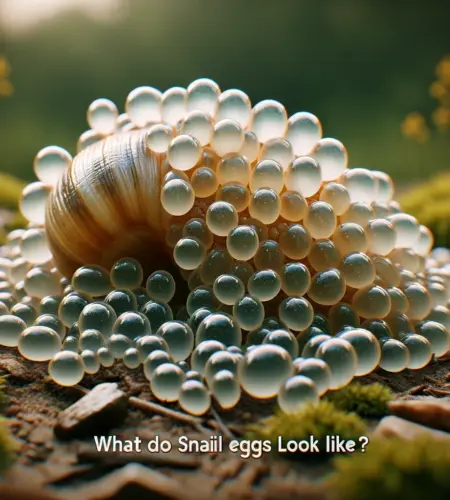
Have you ever spotted tiny clusters in your garden and wondered if they were snail eggs? This post is all about what snail eggs look like. By the end, you’ll not only recognize these eggs but also understand how to care for them if you plan to raise snails.
Let’s dive into the snail eggs and learn all about their characteristics, from how they look to where you might find them.
Identifying Snail Eggs in Your Garden
Where You Might Find Them
If you’re on the hunt for snail eggs in your garden, here’s where you might have the best luck. Look for spots where it’s cool and damp—underneath logs, large stones, or dense foliage.
These areas offer the dark, moist conditions that snails love for laying their eggs. You might also find them near the base of plants, especially in potted ones, where the soil stays moist longer.
When you’re digging or moving things around in your garden, be on the lookout for these tiny hidden treasures.
Physical Characteristics of Snail Eggs
Ever wondered exactly what snail eggs look like up close? They’re quite small, often no bigger than a grain of sand, and they have a peculiar, soft texture that’s somewhat like jelly.
The eggs are typically white or have a slight translucent quality, making them a bit tricky to spot unless you know what you’re looking for.
They tend to stick together in clusters, which can sometimes be found attached to the underside of leaves or buried just beneath the surface of the soil. If you come across these, you’re looking at the very early stage of a snail’s life cycle.
The Appearance of Snail Eggs
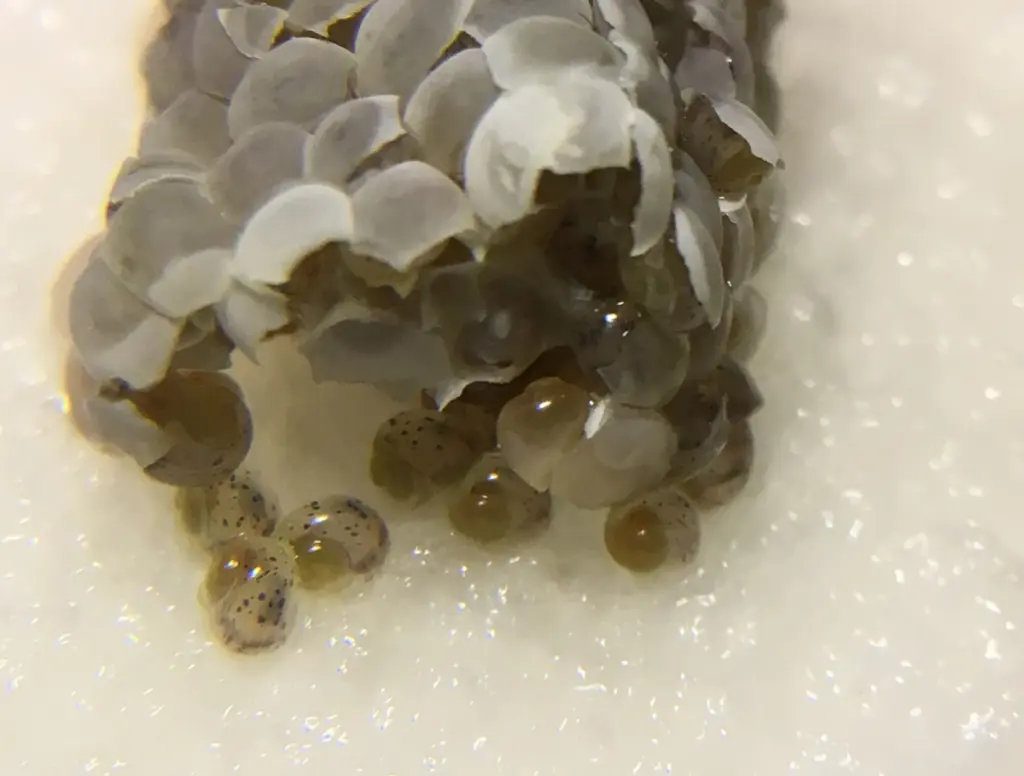
Snail eggs are fascinating when you take a closer look. They usually measure about 1/8 inch in diameter and have a soft, gelatinous texture.
They’re often white but can also appear slightly pink or yellow depending on the species. Unlike the harder, more calcified eggs of some insects found in the garden, snail eggs remain quite delicate until they hatch.
How Do Snails Lay Their Eggs?
Snails have a pretty interesting way of reproducing. First, they look for a quiet, damp spot in your garden—somewhere out of the way.
Once they find the perfect spot, they gently dig a small hole in the soil. This is where they lay their eggs. The whole process is quite special to watch. If you’re ever out in your garden and notice a snail moving slowly and digging, take a moment to observe.
You might just see how these little creatures prepare to bring new life into the world.
Stages of Snail Egg Development
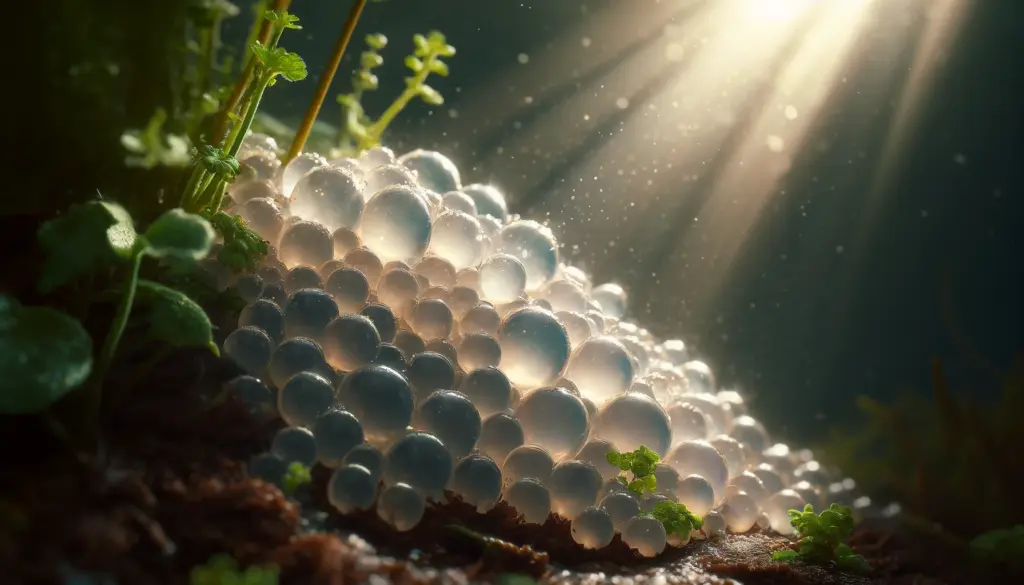
Observing the development of snail eggs is like watching a slow, magical unfold. As these eggs progress through their stages, several changes occur that are both subtle and fascinating. Here’s what you might notice from the day they are laid to the moment the tiny snails emerge:
- Day 1-3: Right after being laid, snail eggs are very soft and have a shiny, almost glass-like appearance. They are super tiny and might be hard to spot unless you know exactly where to look.
- Day 4-10: As the days pass, the eggs start to lose their shiny gloss and begin to take on a more matte and opaque look. This is a sign that the little snails inside are growing.
- Day 11-20: During this period, the eggs grow slightly in size. They might also change color, becoming less translucent and more white or creamy. If you look closely, you might start to see tiny shapes forming inside.
- Day 21-28: This is when the magic happens! The eggs will look their biggest and the shells start to thin out as the baby snails get ready to hatch.
Key Changes in Snail Eggs Over Four Weeks
- Week 1: Transparent and glossy.
- Week 2: Becoming opaque, slight growth.
- Week 3: Noticeable growth, color changes to creamy white.
- Week 4: Maximum size, shells thin, snails visible inside.
These stages offer a wonderful glimpse into the delicate early life of snails. By keeping an eye on these changes, you can ensure that the conditions are just right for the eggs to develop properly. It’s not just about watching; it’s about providing a safe, moist environment where these tiny creatures can thrive.
Protecting Snail Eggs: What You Need to Know
Importance of Protection
If you’re considering raising snails, safeguarding their eggs is really important. This careful attention helps more eggs hatch successfully, increasing the survival rate of the snails. Snail eggs are quite delicate, so they need a safe and stable environment to develop properly.
It’s not just about watching them grow; it’s about providing the right conditions for them to thrive. Ensuring this can lead to a thriving snail population in your garden or aquarium.
Tips for Safeguarding
Here’s how you can keep snail eggs safe:
- Keep the soil moist: Snail eggs need humidity to develop properly.
- Cover them lightly: Use leaves or a breathable fabric to protect the eggs from direct sunlight and predators.
- Check regularly: Make sure the covering remains in place and adjust the moisture levels if needed.
These simple steps can make a big difference in protecting these tiny future snails.
Common Predators of Snail Eggs
Birds, beetles, and rodents can pose a real threat to snail eggs. Here’s how you can keep these critters away:
- Use netting: Covering the area with fine mesh can prevent birds and larger insects from getting to the eggs.
- Clean up debris: Keeping the area free of leaves and other garden waste reduces hiding spots for predators and makes it less appealing for them to stick around.
Taking these precautions will help ensure that the eggs stay safe until they hatch.
Variations in Snail Eggs Among Different Species
Snail eggs can look quite different depending on the species:
- Garden Snails: These snails lay small, white eggs, often found hidden in the soil.
- Apple Snails: Their eggs are larger and have a noticeable pink color. They usually stick them to plants just above the waterline.
- Mystery Snails: Very popular in aquariums, these snails lay brightly colored pink or red eggs above the water, making them easier to spot.
Understanding these differences can help you identify and care for the specific needs of each snail species in your garden or aquarium.
FAQ Section
How often do snails lay eggs?
Snails are pretty busy when it comes to laying eggs. They can lay several batches throughout the warmer months when the conditions are just right. This means you might find new snail eggs in your garden or aquarium several times during a season, especially if it’s kept moist and warm.
Can you see snail eggs in aquariums clearly?
Absolutely! In aquariums, snail eggs are easier to spot. This is especially true for mystery snails, which lay colorful eggs above the water line. These vibrant eggs can add a surprising pop of color to your tank, making them not only visible but also quite decorative.
What conditions do snail eggs need to hatch?
Snail eggs need a specific environment to hatch successfully. They thrive in moist soil that’s not too wet or dry and need temperatures that are stable and warm. This helps the embryos inside the eggs develop properly, leading to a successful hatch.
How long do snail eggs take to hatch?
On average, snail eggs will hatch in about two to four weeks. The exact time can vary based on the species and environmental conditions such as temperature and humidity. Keeping an eye on these factors can help predict when the eggs will hatch.
What should you do if you find snail eggs?
If you stumble upon snail eggs and you’re not planning on raising snails, the best thing to do is to carefully move them to a suitable natural environment. This way, the eggs can hatch and the baby snails can grow up in a space that’s ideal for them.
Are snail eggs harmful to humans?
No, snail eggs are not harmful to humans. However, it’s a good idea to handle them gently and with clean hands to avoid damaging the eggs and to keep both you and the eggs safe.
How can you tell if snail eggs are fertile?
To check if snail eggs are fertile, watch for changes in their appearance. Fertile eggs often become less transparent and increase slightly in size as the embryo develops, becoming more opaque and firm.
What do baby snails look like when they hatch?
Baby snails are really cute! They look like tiny versions of adult snails, complete with their own little shells. Right from the start, these mini snails begin to explore their environment, slowly growing into adult snails.
Do snail eggs need moisture to survive?
Yes, maintaining moisture is essential for snail eggs. They need a damp environment to keep from drying out, which is crucial for the development of the embryos inside the eggs. Without enough moisture, the eggs won’t hatch.
How do you move snail eggs safely?
Moving snail eggs safely involves a gentle touch. Use a spoon or a similar tool to carefully scoop them up with some of the soil they are in. This helps protect the eggs during the move. Then, place them in a similar moist and shaded environment to help them continue developing.
Conclusion
Now you know what snail eggs look like and how to identify and protect them. Whether you’re a gardening enthusiast or a curious observer, understanding these little life pods adds another layer of wonder to your outdoor or aquatic explorations.