
Do bagels have eggs? This is a common question, especially for those with dietary restrictions or allergies. Knowing the ingredients in your food is important for making informed choices.
In this post, we’ll discuss what goes into bagels, how to find egg-free options, and the nutritional differences between traditional and egg-containing bagels.
Read More: Can You Make Cornbread Without Eggs?
Understanding Bagel Ingredients
Traditional Bagel Ingredients
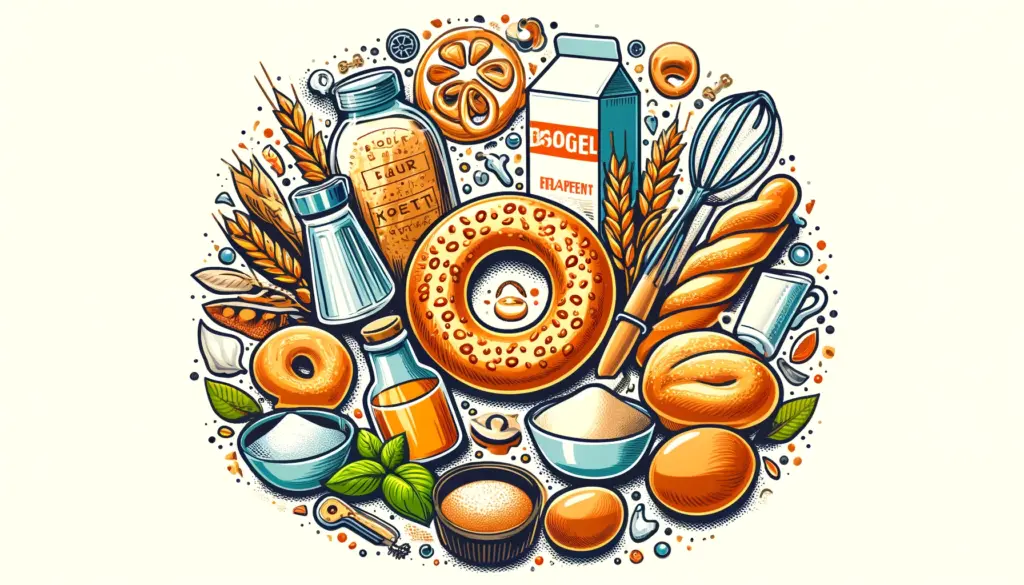
Bagels are a popular breakfast food, but have you ever wondered what’s in them? Traditional bagels are made with simple, common ingredients. These usually include flour, water, yeast, salt, and sometimes a bit of sweetener like sugar or malt.
- Flour: This gives the bagel its structure. Most bagels use high-gluten flour, which helps create a chewy texture.
- Water: Water activates the yeast and helps bind the dough together.
- Yeast: Yeast is what makes the dough rise. It ferments the sugars, producing carbon dioxide and alcohol, which causes the dough to expand.
- Salt: Salt adds flavor and helps control the fermentation process.
- Sweetener: Some recipes add a sweetener to give a slight sweetness. This could be sugar, honey, or malt syrup.
Traditional bagels do not contain eggs. This simple recipe creates a dense, chewy texture that many people love.
Modern Variations
Today, you can find many variations of bagels. Some modern recipes include eggs. Adding eggs to the dough can change the texture and flavor, making the bagels softer and richer.
- Egg Bagels: These bagels include eggs in the dough. This addition gives them a yellow color and a different texture compared to traditional bagels. Egg bagels are softer and often have a slightly richer flavor.
- Other Varieties: Some bagels might include additional ingredients like milk, butter, or even spices. These additions can create a variety of flavors and textures.
When shopping for bagels or looking at recipes, it’s important to check the ingredients. If you have dietary restrictions, such as a vegan diet or an egg allergy, you’ll need to make sure the bagels you choose do not contain eggs or other animal products.
Traditional bagels are simple and typically egg-free. However, modern variations may include eggs and other ingredients, so always check the labels or ask the baker to be sure. Whether you prefer the classic chewy texture or a softer, richer flavor, there’s a bagel out there for everyone.
Bagels and Dietary Preferences
Vegan and Dairy-Free Bagels
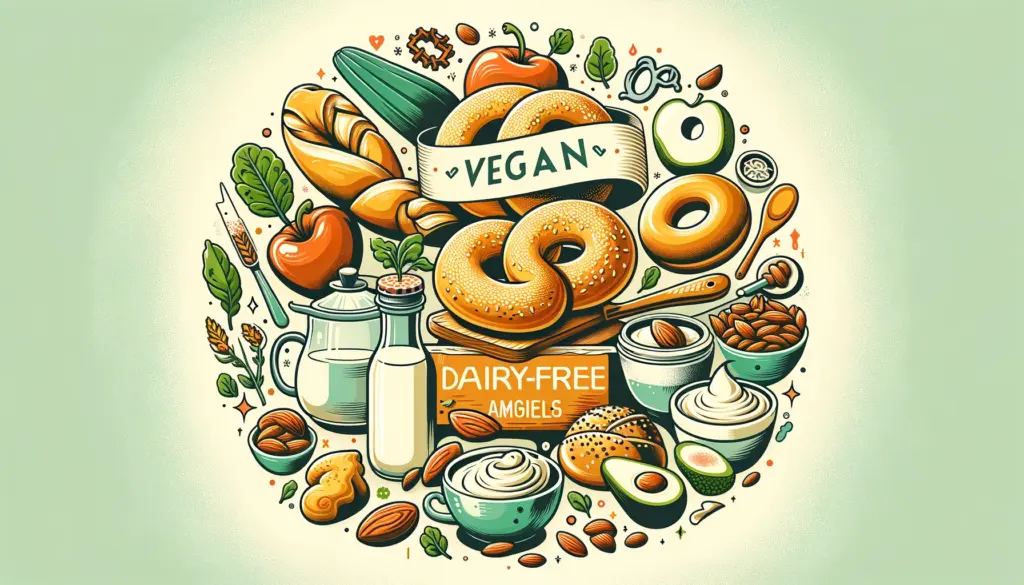
If you follow a vegan diet or have dairy allergies, you might wonder if you can still enjoy bagels. The good news is that many bagels are vegan and dairy-free.
Traditional bagels typically do not contain eggs or dairy, making them a great option for those avoiding animal products.
- Ingredients to Check: Make sure to look at the ingredient list. Vegan bagels should only have flour, water, yeast, salt, and sweeteners like sugar or malt. No eggs or milk should be included.
- Popular Brands: Some popular brands that offer vegan bagels include Dave’s Killer Bread, Thomas‘, and Lender’s. These brands clearly label their products as vegan, making it easier to choose.
Finding vegan and dairy-free bagels is often as simple as checking the labels. Many grocery stores and bakeries now cater to vegan diets, so you have plenty of options.
Identifying Egg-Free Bagels
For those who need to avoid eggs, knowing how to spot egg-free bagels is crucial. Here are some tips to help you identify them:
- Check the Label: Always read the ingredient list. Look for any mention of eggs, egg whites, or egg yolks.
- Ask the Bakery: If you’re buying fresh bagels from a bakery, don’t hesitate to ask the staff if their bagels contain eggs. Most bakers are happy to provide this information.
- Common Indicators: Bagels labeled as “vegan” are egg-free by default. Also, traditional flavors like plain, sesame, and everything bagels are more likely to be egg-free compared to enriched varieties like egg bagels or challah bagels.
Finding egg-free bagels can be simple with a bit of diligence. Checking labels and asking questions ensures you get the right bagels for your dietary needs.
Always check the labels or ask the bakery to ensure you’re getting the right bagel for your dietary preferences.
Health and Nutrition about Bagels
Nutritional Differences
When it comes to bagels, the nutritional content can vary based on whether they contain eggs or not. Let’s look at how egg-free bagels compare to those made with eggs.
Egg-free bagels typically have fewer calories and less fat compared to egg-containing bagels. This can be important if you’re watching your calorie intake or following a low-fat diet.
On the other hand, egg bagels often have more protein, which can be beneficial for muscle repair and growth.
Here’s a simple comparison to illustrate the differences:
| Nutrient | Egg-Free Bagels | Egg Bagels |
|---|---|---|
| Calories | 250 | 300 |
| Protein | 9g | 12g |
| Fat | 1g | 4g |
| Cholesterol | 0mg | 50mg |
Health Considerations
For those with specific dietary needs, understanding the health implications of these ingredients is crucial.
If you have an egg allergy, it’s important to avoid egg-containing bagels. Symptoms of an egg allergy can range from mild (rashes, hives) to severe (anaphylaxis).
Additionally, if you’re following a vegan diet, egg-free bagels are the way to go. Vegan bagels not only exclude eggs but also other animal products, aligning with a plant-based lifestyle.
For those watching their cholesterol intake, egg-free bagels are a better choice. Since eggs contain cholesterol, eating egg bagels might not be suitable for everyone, especially those with heart health concerns.
Balancing Your Diet
Including bagels in your diet can be healthy if you balance them with other nutrient-rich foods. Pairing a bagel with protein-rich toppings like hummus, avocado, or nut butter can make a nutritious meal.
Adding vegetables like spinach, tomatoes, or cucumbers can also boost the meal’s nutritional value.
Egg-free bagels tend to have fewer calories and less fat, making them a good option for those with specific dietary needs. Always consider your personal health requirements when choosing your bagels.
Common Variations and Their Ingredients
Types of Bagels That Might Contain Eggs
When exploring different types of bagels, you’ll find that some varieties might contain eggs. Here are a few common types:
- Egg Bagels: As the name suggests, egg bagels include eggs in their dough. This gives them a yellow color and a richer texture. They are often softer than traditional bagels.
- Challah Bagels: Inspired by challah bread, these bagels are also made with eggs. They tend to be slightly sweeter and have a tender crumb.
- Enriched Dough Varieties: Some bagels might include additional ingredients like milk, butter, or eggs to create a softer, more tender texture. These are less common but can be found in some specialty bakeries.
Popular Bagel Flavors and Their Ingredients
Bagels come in many flavors, and the ingredients can vary. Here are some popular flavors and their typical ingredients:
- Plain Bagels: These are made with the basic ingredients—flour, water, yeast, salt, and sometimes a bit of sweetener. They are usually egg-free.
- Whole Wheat Bagels: Similar to plain bagels but made with whole wheat flour. They offer more fiber and nutrients.
- Blueberry Bagels: These bagels include dried blueberries or blueberry flavoring. They might contain sweeteners and sometimes a bit of oil, but usually no eggs.
- Everything Bagels: Made with a mix of seeds, garlic, onion, and salt. These are generally egg-free and very flavorful.
Here’s a table to highlight the differences between some common bagel types:
| Bagel Type | Main Ingredients | Egg Content |
|---|---|---|
| Plain Bagels | Flour, water, yeast, salt, sweetener | None |
| Whole Wheat Bagels | Whole wheat flour, water, yeast, salt, sweetener | None |
| Egg Bagels | Flour, water, yeast, salt, eggs, sweetener | Contains eggs |
| Challah Bagels | Flour, water, yeast, salt, eggs, sugar | Contains eggs |
| Blueberry Bagels | Flour, water, yeast, salt, dried blueberries, oil | None (usually) |
| Everything Bagels | Flour, water, yeast, salt, seeds, garlic, onion | None |
Understanding these variations can help you choose the right bagel based on your dietary needs. Whether you’re looking for an egg-free option or a specific flavor, knowing what goes into your bagel can make your choice easier.
Always check the ingredients if you have specific dietary restrictions or preferences. This way, you can enjoy your bagel without any worries.
How to Make Egg-Free Bagels at Home
Homemade Vegan Bagel Recipe
Making egg-free bagels at home is easier than you might think. This simple recipe uses basic ingredients and requires no special equipment. Here’s how you can make delicious vegan bagels right in your kitchen.
Ingredients:
- 4 cups of bread flour (or all-purpose flour)
- 1 ½ cups of warm water
- 2 teaspoons of active dry yeast
- 1 tablespoon of sugar
- 2 teaspoons of salt
- 1 tablespoon of vegetable oil
Steps:
- Prepare the Dough:
- In a small bowl, dissolve the sugar in warm water and add the yeast. Let it sit for about 5 minutes until it becomes frothy.
- In a large mixing bowl, combine the flour and salt. Make a well in the center and pour in the yeast mixture and oil.
- Mix until a dough forms. Knead the dough on a floured surface for about 10 minutes, until it’s smooth and elastic.
- First Rise:
- Place the dough in a lightly oiled bowl, cover it with a damp cloth, and let it rise in a warm place for about 1 hour, or until it has doubled in size.
- Shape the Bagels:
- Once the dough has risen, punch it down and divide it into 8 equal pieces.
- Roll each piece into a ball. Using your thumb, make a hole in the middle of each ball and gently stretch it to form a ring.
- Boil the Bagels:
- Preheat your oven to 425°F (220°C).
- Bring a large pot of water to a boil. Reduce the heat to a simmer. Carefully drop a few bagels at a time into the water and boil each side for about 1 minute.
- Remove the bagels with a slotted spoon and place them on a baking sheet lined with parchment paper.
- Bake the Bagels:
- Bake the bagels in the preheated oven for about 20-25 minutes, or until they are golden brown.
Tips for Perfect Bagels
- Kneading: Make sure to knead the dough well. This develops the gluten, giving the bagels their chewy texture.
- Boiling: Boiling the bagels before baking is crucial. It gives them a dense interior and a chewy crust.
- Baking: Keep an eye on the bagels in the oven. They should turn a nice golden brown but not burn.
Making egg-free bagels at home is a fun and rewarding experience. You can also experiment with different toppings like sesame seeds, poppy seeds, or everything seasoning before baking. Enjoy your homemade bagels fresh out of the oven or store them for later.
Using this simple recipe, you can enjoy delicious vegan bagels that fit your dietary preferences.
Read More On: How to Make French Toast Without Eggs
FAQs about Bagels and Eggs
No, not all bagels contain eggs. Traditional bagels are usually made without eggs. However, some modern recipes and specialty bagels, like egg bagels or challah bagels, do include eggs. Always check the ingredients list or ask at the bakery if you are unsure.
Traditional bagels are often vegan as they typically contain flour, water, yeast, salt, and a sweetener. However, it’s important to check the ingredients list to ensure there are no hidden animal products. Some bagels may include honey or other non-vegan ingredients.
To find out if a bagel has eggs, you should read the ingredient label carefully. Look for terms like eggs, egg whites, or egg yolks. If you’re buying fresh bagels from a bakery, don’t hesitate to ask the staff. They can usually provide this information.
Egg bagels have more protein due to the added eggs, but they also have more fat and cholesterol. Whether they are healthier depends on your dietary needs. If you need more protein, egg bagels can be beneficial. However, if you are watching your cholesterol intake, traditional bagels might be a better choice.
Yes, people with egg allergies can usually eat traditional bagels as they are typically made without eggs. However, it’s always best to check the ingredients or ask the bakery to be sure. Avoiding cross-contamination in bakeries that make both types of bagels is also important.
Some might, but traditional New York bagels usually do not contain milk. It’s always a good idea to check the ingredients or ask the bakery to be sure, especially if you have a dairy allergy or follow a vegan diet.
Bagels are typically made from simple ingredients: flour, water, yeast, salt, and sometimes a sweetener like sugar or malt syrup. These basic ingredients create the dense and chewy texture that bagels are known for.
Many bagels are dairy-free, especially traditional ones. However, some varieties might include milk or butter, especially if they are enriched or specialty bagels. Always check the ingredient list to ensure they meet your dietary needs.
Preferences vary among bagel lovers. Traditional bagels remain very popular due to their simple and classic taste. Egg bagels have their own following, especially among those who prefer a richer flavor and softer texture. It ultimately comes down to personal taste.
Adding eggs to bagels increases the protein content, which can be beneficial for muscle repair and growth. However, it also adds fat and cholesterol. This means that while egg bagels offer some nutritional benefits, they might not be suitable for everyone, particularly those managing cholesterol levels.
No, not all bagels are egg-free. While traditional bagels usually do not contain eggs, some varieties, like egg bagels and challah bagels, do. Always check the ingredients or ask the bakery to ensure the bagels fit your dietary needs.
Popular bagel flavors include plain, everything, blueberry, and whole wheat. These flavors are widely enjoyed due to their versatility and taste. Each flavor offers a different experience, whether you prefer something simple, savory, or slightly sweet.
Yes, you can enjoy bagels if you have an egg allergy by choosing egg-free or vegan bagels. Many traditional bagels do not contain eggs, making them safe for those with egg allergies. Always verify the ingredients to be certain.
Bagels can be part of a healthy breakfast, especially when paired with nutritious toppings. Adding protein-rich spreads like hummus or nut butter, and including vegetables like spinach or tomatoes, can make a balanced meal. Whole wheat bagels offer more fiber and nutrients.
Local bakeries often have the best fresh bagels. Checking online reviews and asking for recommendations can help you find the top spots. Many bakeries offer a variety of flavors and types, ensuring you can find the perfect bagel for your taste.
Final Thoughts: Do Bagels Have Eggs

Do bagels have eggs? Not all bagels contain eggs, but some modern varieties do. It’s important to check the ingredients, especially if you have dietary restrictions. Traditional bagels are often vegan and dairy-free, making them a good choice for many people.
Always ask or check labels to make sure you’re getting the right type of bagel for your needs.
In this guide, we explored the ingredients in bagels, identified which ones are suitable for different dietary preferences, and provided tips on making egg-free bagels at home. By understanding what goes into your bagels, you can make informed choices that fit your lifestyle and dietary needs. Whether you prefer traditional, egg-free, or enriched bagels, there’s an option out there for everyone.
Enjoy your bagels with the confidence that you’re making the best choice for your health and preferences.